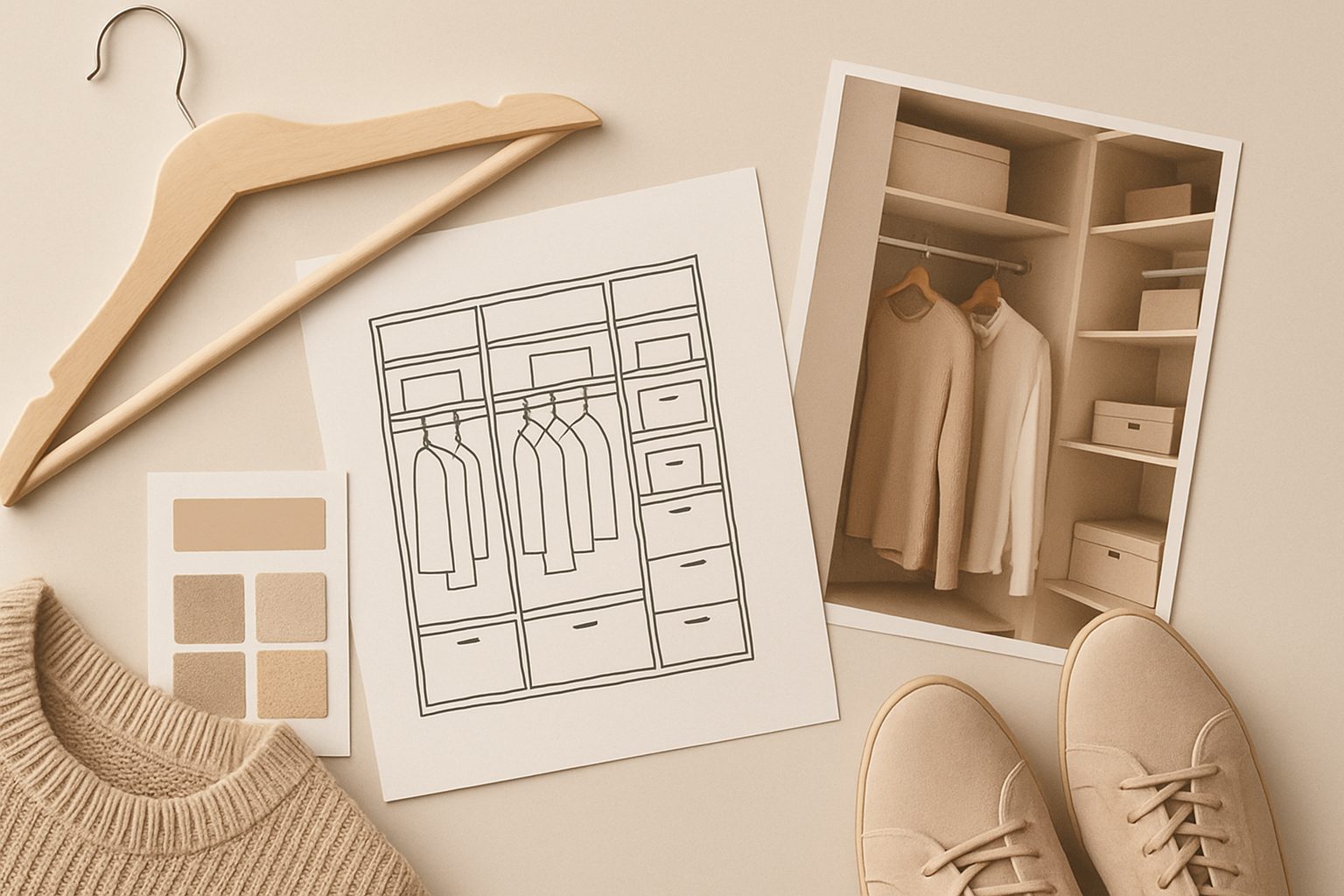
Bespoke Walk-In Wardrobe Designers UK: Luxury Options Reviewed (2025)
A bespoke walk-in wardrobe is less purchase and more commitment—you're paying not just for materials and craftsmanship, but for the space to function exactly as you need it. Unlike flat-pack systems, British luxury wardrobes are built to your room, your clothing volume, and your daily routine. That precision comes at a price, but for the right person, it's what makes the difference between a storage room and a room you actually want to spend time in.
What Actually Costs Money
The "bespoke" premium covers several things that commodity wardrobes skip entirely. Designers measure your space to the millimetre—accounting for uneven walls, radiators, skirting boards, and light fixtures. They draft 3D visuals before a single tool is picked up. The internal fittings—drawer runners, shelving brackets, hanging rails—tend to be heavy-duty commercial spec, not residential. And crucially, installation is handled by trained carpenters who adjust and fit on-site, not delivered in flat boxes for you to assemble wrong.
Base cost for a full wardrobe—meaning lining an entire room, not a single wall—typically sits between £8,000 and £25,000 depending on size and finish. A modest walk-in for a smaller bedroom or dressing room might run £5,000 to £10,000. The ceiling varies wildly based on material choices: painted MDF is the entry point; real wood veneers (oak, walnut, painted hardwood) jump the price significantly; and integrated lighting, glass-fronted display sections, or stone accents push into five figures for the wardrobe alone.
Most people underestimate how much of the total spend goes on labour and installation rather than materials. A complex layout with built-in lighting, corner solutions, and adjustable shelving requires more on-site work. Simpler rectilinear designs, by contrast, are cheaper to fit.
The Established Players
Neville Johnson is probably the most recognised British name in luxury fitted furniture. They operate showrooms across the south and midlands, and their process is thorough: you book a free consultation with a designer who visits your space, discusses lifestyle, and produces CAD drawings with lighting options. Their wardrobes lean contemporary and are available in a range of finishes, including painted, stained, and lacquered wood. The finish quality is noticeably high, and they stand behind their work with a long warranty. Prices are premium—expect £15,000+ for a full room—but they're transparent about quotes once the designer has visited.
Thomas Matthews focuses on solid wood and traditional joinery. If your taste runs toward classic English interiors—think period homes, solid oak, or painted hardwood with proper dovetail joinery—they're worth considering. Their fitting teams are meticulous and their designs favour functionality over trend. They're less design-led than Neville Johnson and more craft-led. This appeals to people who plan to keep their wardrobe for decades. Lead times can stretch eight to twelve weeks, which is typical for this tier.
The Heritage Wardrobe Company sits in a slightly different space—they specialise in bespoke solutions for older properties where standard fittings don't work. If your bedroom has sloped ceilings, original cornicing, or uneven plasterwork, they're experienced at working around it. Their pieces feel less showroom and more genuinely custom. They offer solid wood throughout, with less emphasis on sleek finishes and more on honest joinery. Pricing is broadly in line with Thomas Matthews: £10,000 to £18,000 for a full wardrobe.
None of these firms operate on a price-match basis, so you need to request quotes and compare. All offer in-home consultations at no charge, which is worth using even if you ultimately go elsewhere—it clarifies what you actually want.
The Accessory Layer
Once the wardrobe structure is in, most people add accessories that genuinely improve daily function. These aren't padding the invoice; they solve real problems.
Pull-out valet rods are underrated. A rod that slides out on a smoothly mounted runner lets you hang tomorrow's outfit, or try combinations without pulling everything off the rail. These cost £150 to £300 fitted.
Backlit mirrors—whether mounted inside the door or as a separate panel—change how you assess colour and fit in natural-looking light. LED strips are now standard, run off a simple switch, and cost £300 to £600 fitted depending on size and frame finish.
Velvet jewellery trays and watch rolls keep small items visible and protected. These sit in pullout drawers and cost £80 to £250 depending on material and compartments. Felt-lined pull-out shelves for folded knitwear (around £150) and tie racks or scarf rods (£100 to £200) round out the category.
Hooks, rails, and organisers add up fast, but the ones worth the money are the ones you'll actually use daily. It's worth discussing with your designer which pieces match your wardrobe—not everyone needs a belt carousel or a skirt hanger set.
When It Makes Sense
A bespoke wardrobe works if: you're planning to stay in your home for at least five years, your clothing volume justifies dedicated space, and your daily routine includes time at home (remote work, flexible schedule). It's an indulgence for occasional visitors to holiday lets; it's an investment for people who live and work from home.
Start with a genuine designer consultation, not just browsing websites. See their installed work if possible. And be honest about what you own and how you actually dress. The best wardrobe is one you'll use every day, not one that's architecturally flawless but misses your lifestyle.
More options
- Walk-In Wardrobe LED Strip Lighting Kits (Amazon UK)
- Wardrobe Interior Organisers & Accessories Bundle (Amazon UK)
- Modular Wardrobe Storage Systems (Amazon UK)
- Hollywood Vanity Mirror & Dressing Table Lighting (Amazon UK)
- Pull-Out Wardrobe Rails & Shoe Racks (Amazon UK)